Yellow fever in South America: cases and vectors, 2025
DOI:
https://doi.org/10.52226/revista.v33i118.396Keywords:
Yellow fever, South AmericaAbstract
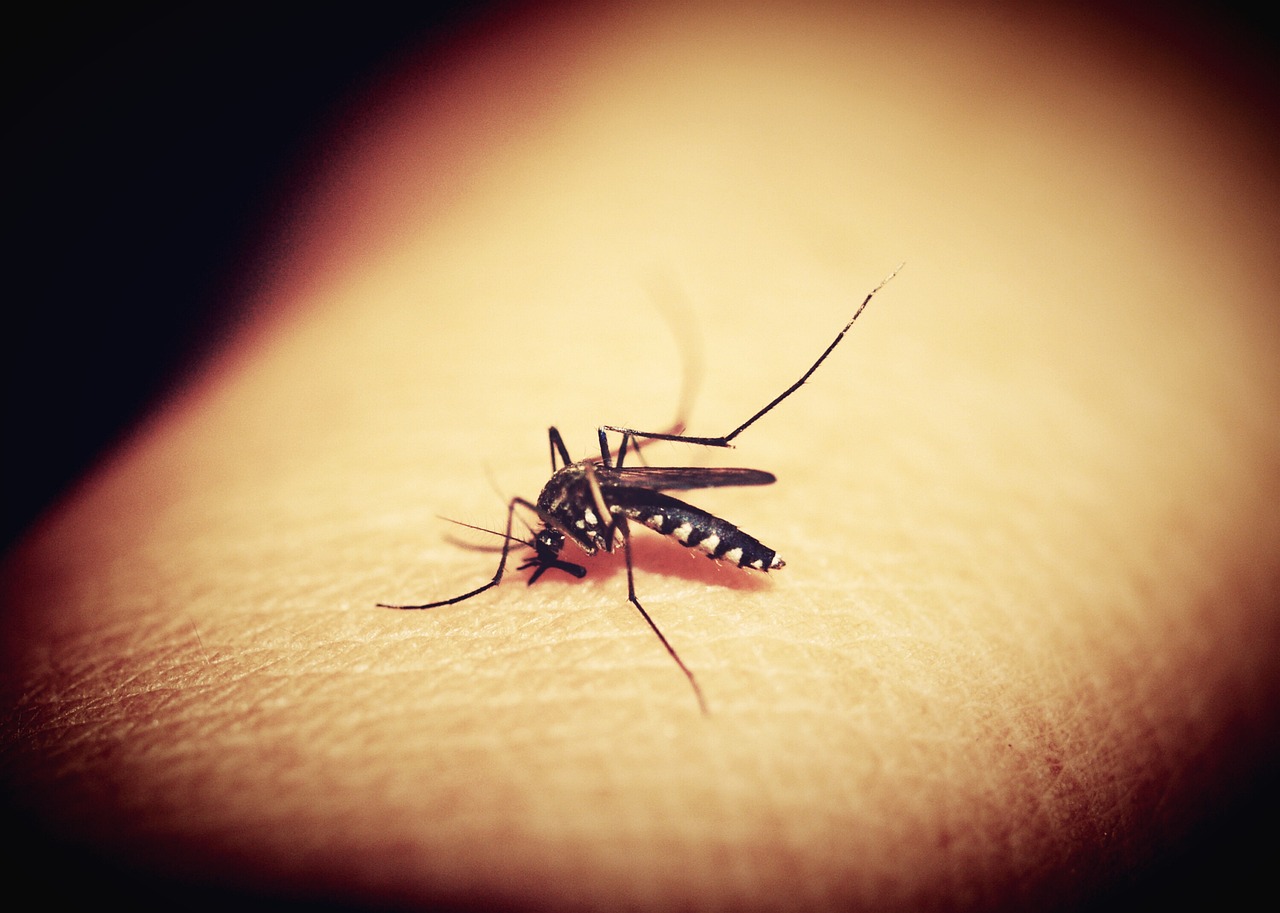
In the midst of 2025, yellow fever (YF) remains a reemerging threat to public health in South America (Table 1) (1, 2). Despite advances in surveillance and vaccination, key questions persist about its epidemiological dynamics, particularly in relation to the role of urban vectors (1, 3). In countries such as Brazil and Colombia, the widely documented presence of Aedes aegypti and Aedes albopictus, mosquitoes with proven vectorial potential for other arboviruses such as dengue, chikungunya and Zika, contrasts with the transmission pattern observed for yellow fever (4). Far from generating large urban epidemics, recent outbreaks have remained contained in numbers that, while worrisome, are limited compared to the potential susceptible population and the presence of urban vectors (5).
So far in 2025, Brazil, Colombia, Peru, Bolivia and Ecuador have reported outbreaks of YF totaling 317 cases as of July 10, 2025, concentrated in jungle and rural regions (1, 4), with 133 deaths (42%). In Brazil, the state of São Paulo - with a high population density and urban presence of A. aegypti - has reported human cases linked to epizootics in non-human primates (NHPs) and exposure in peri-urban wooded areas, but no sustained urban transmission has been documented (1). A similar pattern occurs in Colombia, where departments such as Tolima, Putumayo and Meta, among others, have recorded human cases and mortality especially in howler monkeys (Alouatta seniculus), without evidence of massive urban outbreaks (4).
This scenario, in contrast to what happens with other arboviruses, raises fundamental questions. Why, despite the ubiquitous presence of Aedes, is an explosive urban transmission not observed as it occurred historically in the 19th century? Is vector competence the key limiting factor? (3, 6).
Recent experimental studies have questioned the actual vector competence of A. aegypti and A. albopictus for yellow fever virus (YFV) (1, 3, 6). While A. aegypti has historically been singled out as responsible for large urban epidemics in the Americas and Africa, today's urban mosquitoes appear to show less susceptibility or efficiency in transmitting sylvatic strains of YFV circulating today. A clear example is the results of the 2016-2018 Brazil outbreaks, with numerous YFV-negative A. albopictus and A. aegypti pools, in contrast to positive Haemagogus and Sabethes pools. (7). Genetic factors of the virus, changes in the biology of the vector, or microevolutionary changes not yet well characterized could explain this reduced competence (5).
Experimental studies suggest that YFV does not replicate as efficiently in urban A. aegypti populations as do other flaviviruses such as dengue or Zika. Similarly, A. albopictus, although widely distributed and adapted to temperate and tropical climates, appears to have even less competition for YFV, at least under laboratory conditions. However, the extrapolation of these findings to field conditions remains a matter of debate (3, 6).
YF maintains an alarming lethality, ranging from 20% to 60% in severe symptomatic unvaccinated cases (Table 1). This rate, much higher than that observed for other arboviruses, underscores the critical importance of primary prevention through vaccination and vector control. Surveillance in non-human primates has proven to be a sensitive tool for detecting viral circulation prior to human cases, as outbreaks often begin with epizootics in susceptible monkeys (1).
In the face of these uncertainties, active entomological surveillance takes on renewed relevance. Monitoring Aedes, Haemagogus and Sabethes populations and their YFV infection is crucial to anticipate possible changes in transmission dynamics. If the virus were to acquire mutations that increase the vectorial competence of A. aegypti or A. albopictus, as has occurred with chikungunya, we could face scenarios of sustained urban transmission with high epidemic potential, especially in densely populated cities with low vaccination coverage (Table 2) (5).
Monitoring should incorporate vector competence studies as well as periodic transovarial transmission studies with local strains of YFV and local mosquito populations, since both the virus and the vector present regional genetic variations that may modify transmission parameters. Likewise, environmental surveillance in jungle-urban interface areas, which are increasingly generated by urban growth, continues to be key, since it is in these scenarios where the first contacts between infected mosquitoes, unvaccinated humans and potential urban vectors occur.
Yellow fever vaccine remains the most effective tool, with an efficacy of more than 95% after a single dose (5). However, vaccination coverage in many countries and in several at-risk regions of Colombia, Venezuela, Peru and Brazil remains suboptimal, especially in rural, indigenous and migrant populations (Table 2). This exposes these populations to unnecessary risk, considering that the vaccine is included in national immunization programs and is inexpensive.
In the context of climate change, altitudinal and latitudinal expansion of vectors and vertebrate hosts could modify risk patterns. Thus, areas previously free of transmission could become vulnerable in the near future (1).
The current yellow fever situation in South America reflects an unstable balance. On the one hand, we have a virus with high pathogenic potential, widely distributed urban vectors and susceptible populations. On the other hand, outbreaks continue to be focused, with mostly jungle transmission and limited urban impact. The hypothesis of insufficient vector competence of A. aegypti and A. albopictus with current YFV strains is plausible, but not definitive. Any viral adaptive changes, or favorable environmental conditions, could alter this delicate balance.
Therefore, entomological surveillance, mass vaccination in at-risk populations and early detection of epizootics in non-human primates are the strategies that should be maintained and strengthened. This is the only way to avoid the resurgence of major urban epidemics which, although improbable for now, remain a latent risk in the complex South American eco-epidemiological scenario.
Downloads